
Creatine for longevity: beyond the gym
Creatine is not just for building muscle. Evidence for cognition, bone density, fatigue and aging. Dosing, best brands and longevity protocol.
Creatine is probably the most underrated supplement in longevity. The association with bodybuilding and gym culture has blinded the preventive health community for decades. But the evidence accumulated since 2018 points in a clear direction: creatine has benefits that go far beyond athletic performance.
Cognition. Bone density. Fatigue. Sarcopenia. Neuroprotection. All documented in controlled trials.
What is creatine
Creatine is an organic compound (methylguanidino-acetic acid) that the body synthesizes from arginine, glycine and methionine. It is stored primarily in skeletal muscle (95%) and the brain (5%). Its function: recycling ATP, the cellular energy currency.
When a cell spends ATP (adenosine triphosphate) and converts it to ADP (diphosphate), phosphorylated creatine donates its phosphate group to regenerate ATP instantly. It is the body's fastest energy system. faster than glycolysis, faster than fat oxidation.
Why it matters for longevity
With age:
- Endogenous creatine synthesis decreases
- Muscle reserves drop (sarcopenia)
- Brain reserves drop (lower neuronal energy)
- Dietary intake falls if you reduce red meat
Supplementation restores levels to those of a young adult with a protein-rich diet.
Evidence beyond muscle
Cognition
Avgerinos et al., 2018 (Experimental Gerontology): Meta-analysis of 6 RCTs. Creatine improved short-term memory and reasoning in healthy adults, especially under stress (sleep deprivation, mental fatigue). The effect was more pronounced in vegetarians and those over 60.
Forbes et al., 2022 (Nutrients): Review of 8 studies. Creatine improved cognitive function in older adults with and without mild impairment. The mechanism: the brain consumes 20% of total body ATP and creatine acts as a neuronal energy buffer.
Bone density
Chilibeck et al., 2015 (Medicine & Science in Sports & Exercise): 12 months of creatine + resistance training in postmenopausal women. The creatine group lost significantly less bone density than the placebo group. Creatine stimulates osteoblast differentiation.
Sarcopenia
Creatine amplifies the benefits of resistance training in older adults. It does not replace exercise. it enhances it. A 2017 meta-analysis (Devries & Phillips) showed that creatine + resistance produces more lean mass and more strength than resistance alone in adults over 50.
Neuroprotection
Preclinical studies show creatine protects neurons in models of Parkinson's disease (reduction of dopaminergic loss) and traumatic brain injury. Human trials for neurodegenerative diseases have been mixed, but the safety profile supports preventive use.
“Creatine is one of the few supplements with level A evidence for athletic performance and growing level B evidence for cognition and sarcopenia. At 3-5g/day it is extremely safe. It should be part of the longevity conversation alongside vitamin D and magnesium.”
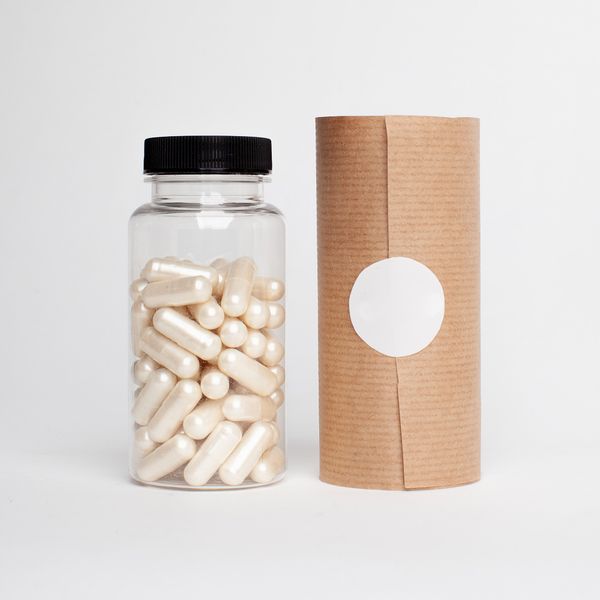
Creapure Creatine Monohydrate
Creatine monohydrate produced by AlzChem (Germany). Creapure is the purest and most studied form of creatine, with purity certification above 99.95%. No loading phase needed.
Longevity protocol
Dosing
- Maintenance: 3-5g/day (no loading phase needed for long-term benefits)
- Loading phase (optional): 20g/day for 5-7 days, then 3-5g
- Over 60: 5g/day (naturally lower reserves)
- Vegetarians/vegans: 5g/day (no dietary creatine intake)
Timing
It doesn't matter when you take it. With food or without. Creatine accumulates in muscle over weeks. the exact timing is irrelevant.
Form
Monohydrate is the only form with robust evidence. "Premium" forms (HCl, ethyl ester, Kre-Alkalyn) have not demonstrated superiority in any comparative trial. Creapure is the monohydrate brand with the most purity certification.
Hydration
Creatine retains intracellular water (not subcutaneous). Drink normal amounts of water. you don't need to over-hydrate, but don't dehydrate either.
Myths and realities
| Myth | Reality |
|---|---|
| "It damages the kidneys" | False. Dozens of safety studies in healthy people. It raises creatinine (a marker, not actual damage) |
| "It's only for bodybuilders" | The cognitive and bone benefits have nothing to do with the gym |
| "You need a loading phase" | No. 3-5g/day reaches the same saturation level in 3-4 weeks |
| "It causes water retention and bloating" | Intracellular retention (good), not subcutaneous (the visible kind) |
| "Women shouldn't take it" | The evidence in postmenopausal women is especially strong |
| "Creatine HCl is better" | No comparative evidence. Monohydrate remains the standard |
Synergies
- Vitamin D. both improve bone density through complementary pathways
- Magnesium. cofactor of ATP metabolism
- Resistance training. creatine amplifies the benefits of exercise at all ages
- Glycine. creatine is synthesized from glycine; supplementing glycine supports endogenous production
Creatine: best options
| Precio |
“Creatine at 3-5g/day is probably the supplement with the best evidence/cost/safety ratio that exists. At $4/month, with no relevant side effects and benefits for muscle, brain and bone, it's hard to find a reason not to take it. Especially if you're over 40.”
Buy in the US
Creapure Creatine Monohydrate 500gAmazon NOW Foods Creatine MonohydrateAmazonLas fuentes incluyen instituciones médicas, revistas peer-reviewed y organizaciones de investigación. Aevum no ofrece consejo médico.
Aevum Briefing
Every week: one protocol, one evidence analysis and what matters in longevity. No noise. Straight to your inbox.
Complete protocols, curated stacks and in-depth biomarker analysis.